
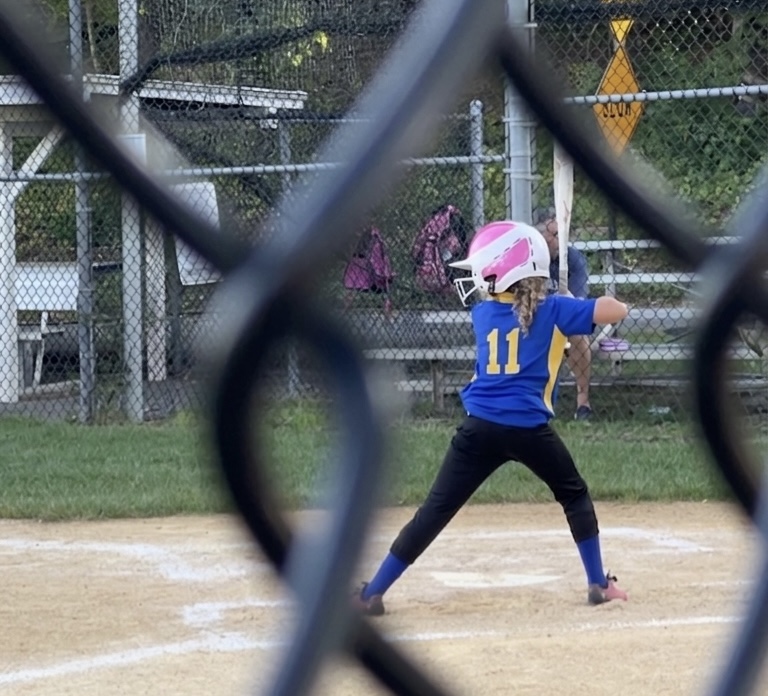
One more out and the game is over.
Some kids step up to the plate nervous. Some step up thinking, “Give me the bat. I want this moment.” Some parents can barely watch. Some are trying not to show their stress because they don’t want their child to feel it too. Some players are quietly hoping they don’t mess up. Others fully believe they’re about to deliver.
And honestly? All of it is part of sports!
That’s one of the things I think we massively undersell about youth sports. We talk all the time about sports teaching teamwork, discipline, and character. And yes, they absolutely do. But I think something much deeper is happening too.
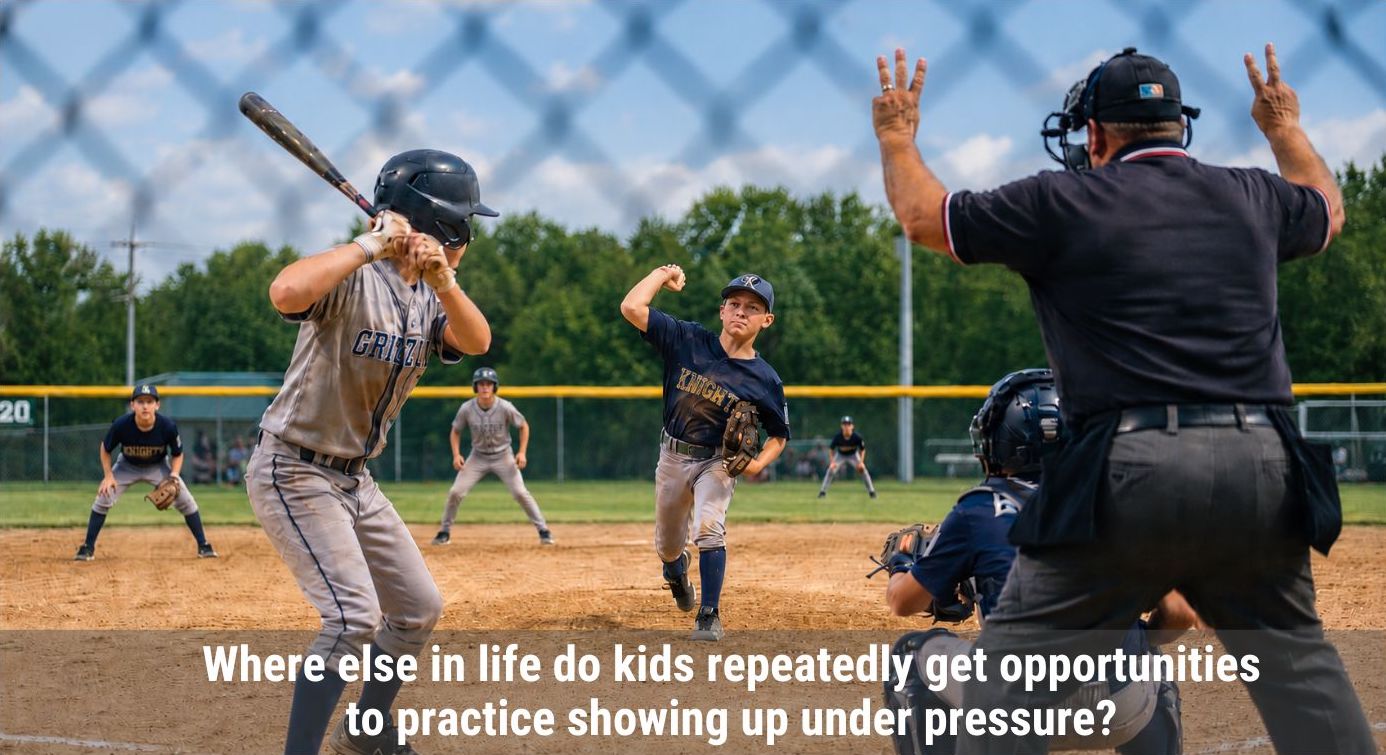 Where else in life do kids repeatedly get opportunities to practice showing up under pressure? Where else do they learn what it feels like to have nerves, expectations, adrenaline, excitement, fear, belief, and uncertainty all at the exact same time… and still have to step into the moment anyway?
The batter can’t skip their turn just because they feel nervous. The pitcher can’t walk off the mound because the pressure feels too big. Sports teach kids to stay in the moment, breathe through discomfort, trust themselves, and keep going anyway.
That’s why I don’t think youth sports are just about building athletes. I think they help build humans. Because sports give kids one of the safest and most repeated opportunities they’ll ever have to practice pressure, resilience, recovery, belief, disappointment, confidence, and growth… in real time.
Pressure Becomes Practice
One of the most underrated things sports teach kids is how to handle pressure. Not avoid it. Not eliminate it. Handle it. Be WITH it.
A few weeks ago, I woke up late on a morning when my au pair was off. I forgot she was off! Suddenly there was more on my plate than I expected. Preparing lunch. Making my breakfast. Getting the girls ready. Getting myself ready. I could feel the stress building quickly. I knew if I let it take over the energy of the house, everything was going to get harder.
 So I told the girls the truth. “I’m stressed. I know we can get this done, but it’s going to have to move faster than I’d prefer and I need your help.” I didn’t pretend I wasn’t stressed. I just didn’t let it run the show. I took a breath and focused on the next play. I asked them to be my team. And they were literally cheering for me while we moved through the morning together!
At some point I realized: this was exactly how I operate on the pitcher’s mound. When the pressure is high, I can’t spiral. I have to breathe, focus on the next pitch, trust my team, and stay present.
Different scenarios. Same skill.
Sports train so much more than physical ability. They train nervous systems. They give kids repeated reps of feeling pressure and keeping moving anyway. Over time, the recovery gets quicker. The pressure becomes more manageable because they’ve been here before.
Every Role Teaches Something
One of the most valuable things sports teach kids is that every role matters.
Heading into playoffs with my mom’s softball team, our coach asked if I saw anything to adjust in the lineup. I had one suggestion: instead of saying players would “SIT” in an inning, what if we used the word “CHEER”? What if cheering was an actual role on the team?
She brought it to the game the next day. Between innings, I asked one of our teammates, “Are you catching for me this inning?” She smiled and said, “Nope. I’m cheering this inning. I’m gonna bring it.”
Not in a fake positive way. She genuinely saw herself as having a job to do for the team.
I walked back to the mound thinking about how powerful that tiny shift was. One word. One reframe. And suddenly someone who could have emotionally checked out decided to lean in instead. We kept it from that point on. And now, when I coach nine-year-olds with that same coach, there’s no “SIT” in our lineup. There’s “CHEER.”
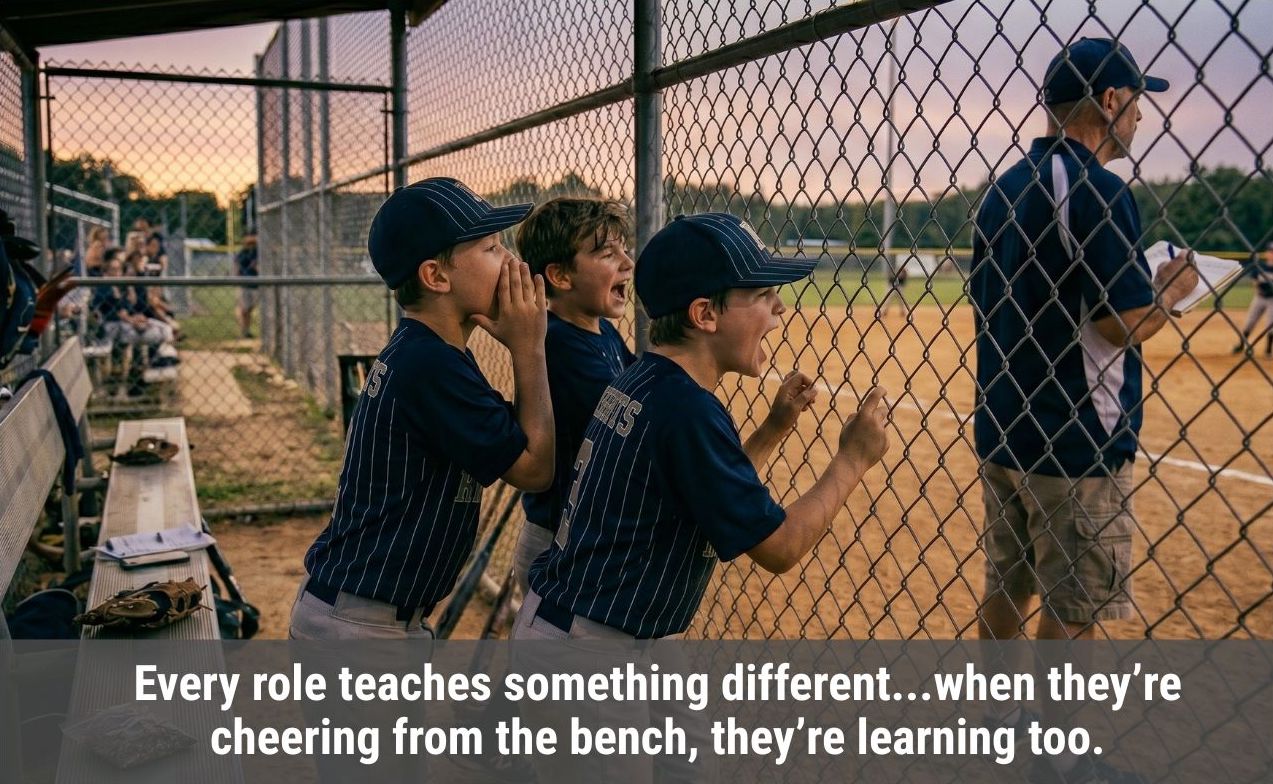 Every role really does teach something different. When kids are in the game under pressure, they’re learning. When they’re cheering from the bench, they’re learning. When they’re the strongest player, they’re learning leadership. When they’re not, they’re learning resilience and how to grow through discomfort.
My two daughters are proof. One lights up on a stage. One lights up on a field. Both have played starring roles and supporting roles. And both know that wherever you are, you show up fully. Because every role on the team matters and when every player shows up in their role, the entire team levels up.
The Hardest Coaching Happens Off the Field
 Some of the most important moments in youth sports don’t happen during the game. They happen after. In the car. At dinner. In the quiet space between what just happened and what your kid is feeling about it.
The two most common responses after a tough game are “here’s what you should have done” or “it’s okay, don’t worry about it.” Neither actually helps. One creates shame. The other skips the lesson entirely.
What helps is turning the moment into data.
After a tough game I ask two things: what’s a moment you’re proud of, and what’s a moment you want to level up next time? Not what did you do wrong. What do you want to work on going forward. One looks back to spin. The other looks back to learn. Kids feel the difference immediately.
When a mistake is eating at them, I don’t let them stay general. Are you annoyed by the decision you made? The accuracy of the throw? The way you read the play? Get specific because that’s where you find the data. General just feels like shame with nowhere to go.
And then there’s the belief piece. I’ve coached kids who could crush the ball in practice and shrink in a game. Not because they lost the skill. Because they lost the story. So I’d get curious. I wouldn’t tell them they could do it. I’d ask them to tell me about a time they did. And usually, somewhere in that conversation, they’d find their own way back.
One reframe I come back to constantly: nerves and excitement feel almost identical in your body. The difference is the story you put on top of them. When a kid says “I’m so nervous,” the instinct is to say “you’ll be fine, don’t worry.” But that doesn’t help. What helps is “yeah, that feeling means you care… and it’s also what’s going to help you focus.” Welcome the nerves. They’re not a sign something’s wrong. They’re often what’s powering you forward.
Parents can do this too. Not just coaches. Stay curious instead of corrective. Ask instead of assess. Help your kid see that looking back is only useful if it’s pointing somewhere forward.
Team Culture Changes Everything
The older I get, the more I believe team culture matters just as much as talent. I see it at work, within families, and on the field.
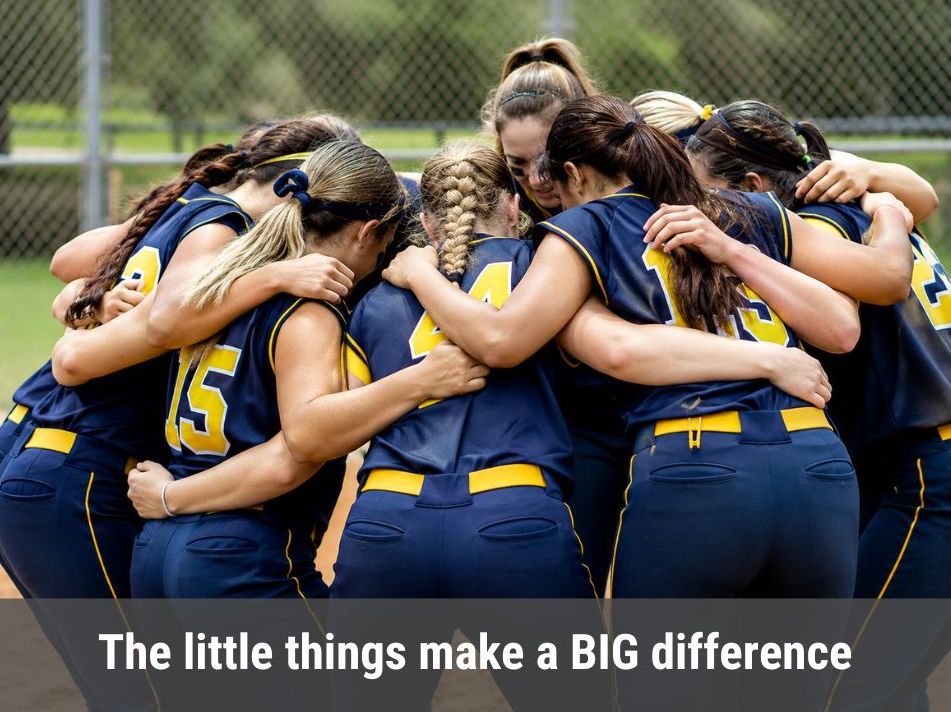 Some kids come into sports (or anything!) already confident. Others are just learning to believe they belong out there. And some of the biggest transformations happen through the smallest things. Running through first base. Announcing the plays. Encouraging a teammate after an error. Staying engaged when the game feels slow. Over and over we see it’s the little things that make the BIGGEST difference. Not just in sports, but in everything!
The best teams I’ve coached weren’t always the most talented. But they trusted each other. They stayed connected under pressure. I’ve watched girls walk to the pitcher’s mound together just to give encouragement. I’ve watched kids on the bench cheer loudly and proudly. I’ve watched players who started the season unsure become leaders because the environment helped them feel safe enough to keep growing.
Competition works best when kids feel connected to something bigger than themselves. They improve faster when they want to hustle instead of being scared not to. They grow more when mistakes are treated as data, not proof they don’t belong. These insights aren’t just sports insights, they are life insights.
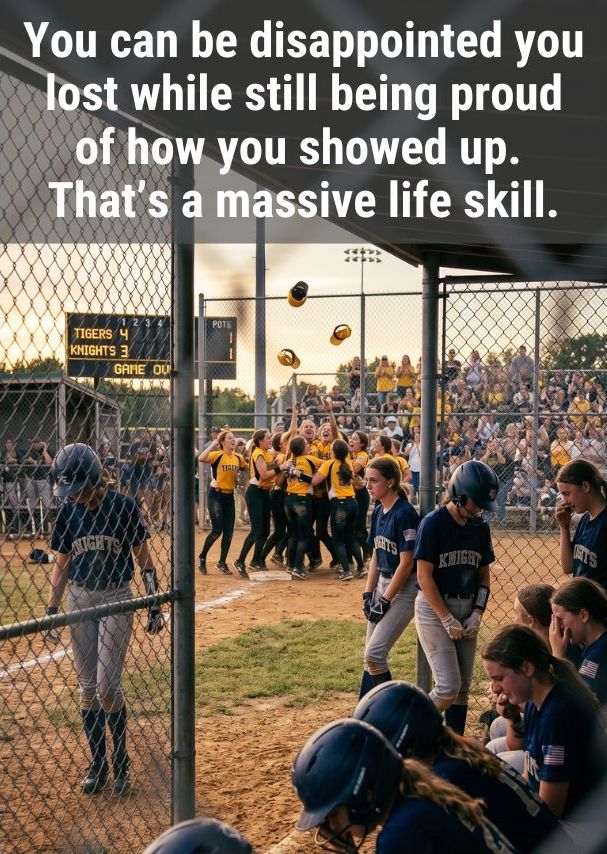 I don’t believe youth sports, or anything, should be about pretending everybody wins. Earning things matters. Standards matter. Competition matters.
Not every player will make the travel team. Not every team will win the championship. And there’s something incredibly important about kids experiencing that reality in a supportive environment. Because sports teach something life eventually teaches all of us: you will not always get the outcome you want. But not getting the outcome doesn’t mean the experience failed.
Disappointment and shame are not the same thing. You can be disappointed you lost while still being proud of how you showed up. That’s a massive life skill.
No lead is completely safe. No deficit is completely hopeless. And the athletes who step into big moments believing they can deliver are the ones willing to fully show up in the first place. That belief isn’t cockiness. It’s trust. It’s giving yourself permission to try, and even more, to be your best.
Sports teach kids they can feel nervous and still believe in themselves anyway. And that lesson matters long after the games are over.
Maybe Sports Were Never Just About Sports
The older I get, the more I realize youth sports were never really just about the scoreboard.
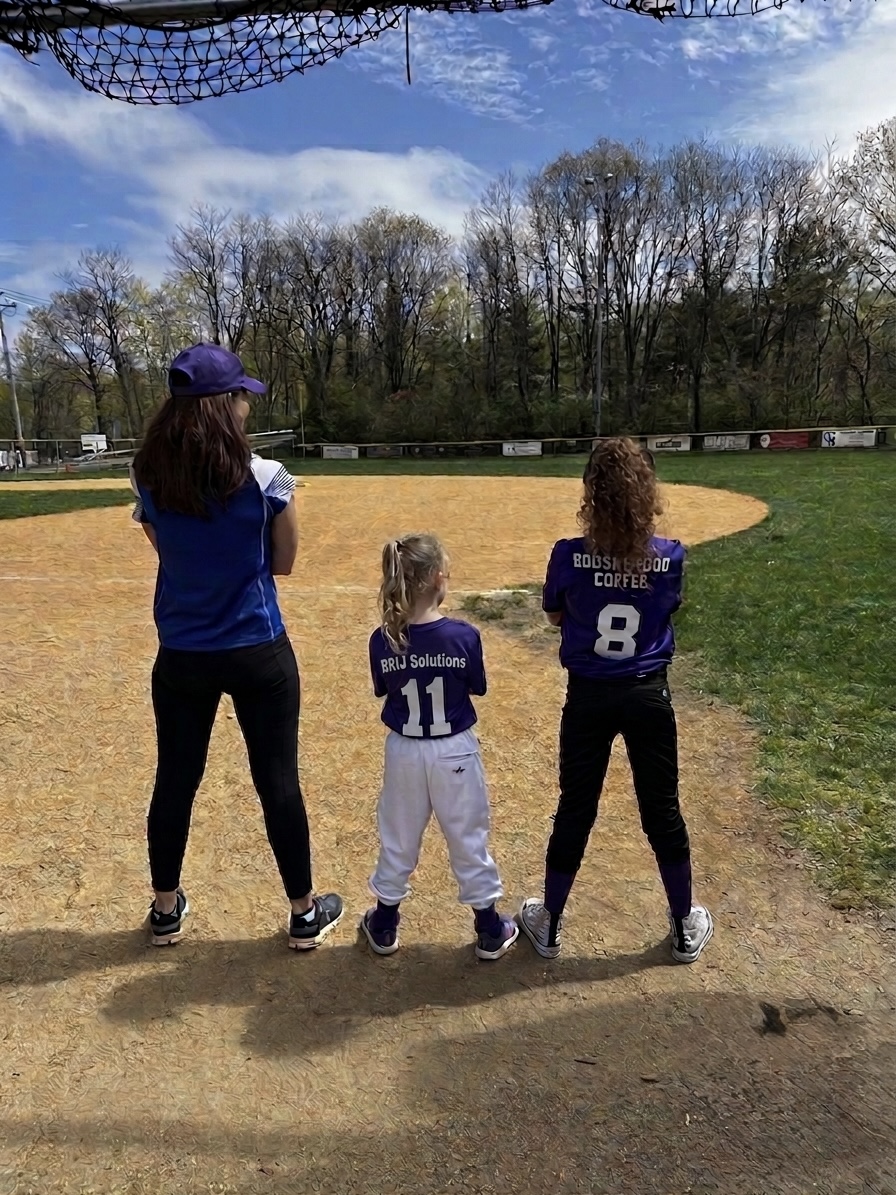 Winning feels exciting. Losing hurts. Championships are memorable. But underneath all of that, something much bigger is happening every single season. Kids are learning to handle pressure, recover from mistakes, support teammates, and believe in themselves before they have proof.
Parents, coaches, and leagues help shape which lessons kids actually take from these experiences. We can create environments where kids are terrified to fail. Or we can create environments that still value competition and high standards while also teaching kids how to stay connected, resilient, and emotionally steady through all of it.
One where kids compete hard and have fun. One where they hustle because they want to, not because they’re scared not to. One where looking back is always in service of moving forward.
Because long after the trophies are forgotten and the scoreboards reset, the real lessons stay with them.
And maybe that’s the real value of youth sports after all: they give kids safe places to practice uncomfortable things before life makes them real.